Summary:
You found a venue you love. The rental fee looks reasonable. Then you start pricing out catering, a DJ, bar service, table linens, and suddenly the number looks very different from what you started with. This is the moment most couples in Kings County hit — and it’s exactly why the “venue rental vs. all-inclusive” question matters so much. Neither option is automatically cheaper. What matters is understanding what each one actually includes, what it doesn’t, and how those gaps add up in a market like Kings County, where wedding costs run higher than almost anywhere else in the country.
What Are All-Inclusive Wedding Venues — and What Do They Actually Include?
An all-inclusive wedding venue bundles most or all of the services you’d otherwise hire separately — catering, bar service, DJ, décor, sometimes even photography — into a single package price. The appeal is obvious: one contract, one payment, and a clearer picture of your total cost upfront.
What counts as “all included” varies widely from venue to venue, though. Some packages genuinely cover everything. Others include the space and a few extras, then charge à la carte for everything else. Reading the fine print on what’s bundled versus what’s optional is the most important thing you can do before comparing prices across venues in Kings County.
Do All-Inclusive Wedding Packages Actually Save You Money?
Sometimes, yes — significantly. When services are bundled together, venues often negotiate better rates with their preferred vendors and pass some of that savings along. Industry data suggests all-inclusive packages can save couples $10,000 or more compared to sourcing every vendor independently. That’s a real number, and it’s worth taking seriously.
But the savings aren’t guaranteed, and they depend heavily on what you actually want. If a package includes a DJ you wouldn’t have hired, a florist whose style doesn’t match yours, or a catering menu that doesn’t reflect your family’s food traditions, you’re paying for things that don’t serve you. For many families in Kings County — especially those planning receptions that reflect Caribbean, South Asian, Bangladeshi, Latino, or other cultural traditions — the ability to bring your own caterer isn’t a minor detail. It’s the whole point.
The other thing worth understanding is how all-inclusive pricing is structured. Most packages price per person, which means your total cost scales directly with your guest count. A package that looks affordable for 75 guests can become a very different number for 150. Run the math at your actual expected headcount before you compare it to a rental-only quote.
There’s also the question of control. Some couples genuinely want someone else to handle the logistics — and for them, an all-inclusive model is worth every dollar. Others want full flexibility over vendors, menus, and timing. Neither preference is wrong. The point is knowing which one you actually are before you start comparing prices.
What Are the Hidden Costs of Renting a Wedding Venue?
Venue rental pricing looks simple on the surface: you pay for the space, you bring in your own vendors, you have full control. What catches couples off guard is how quickly the add-ons accumulate once you start filling in the gaps.
The most common hidden costs in a rental-only model include cake cutting fees charged by the venue or caterer, overtime charges if your event runs past the contracted window, certificate of insurance requirements that you have to purchase separately, and service or administration fees that don’t appear in the original quote. Some venues also have mandatory vendor lists — meaning you’re required to use their preferred caterers or bartenders, often at a markup. You don’t find out until after you’ve paid the deposit.
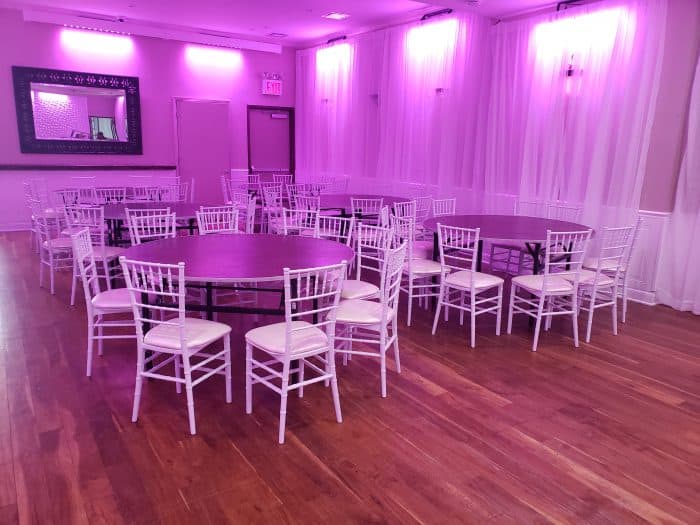
Then there’s the equipment. A bare rental space means exactly that: bare. Tables, chairs, linens, a bar setup, a DJ booth, dance lighting — none of that is automatic. In Kings County, equipment rentals add up fast. By the time you’ve sourced everything you need to make the space functional for a wedding reception, you may have spent more than you saved by going the rental route in the first place.
This is why the average couple underestimates their total wedding cost by 20 to 40 percent — and most of that gap comes from vendor and equipment costs they didn’t account for when they first booked the venue. The venue fee is the starting point, not the finish line.
That said, a rental-only model isn’t inherently more expensive. If you go in with a clear list of what the space includes, a realistic estimate of what you’ll need to bring in, and a firm handle on vendor pricing in Kings County, you can absolutely make it work within budget. The key is doing that math before you sign — not after.
Wedding Halls in Kings County: What to Look for Before You Book
Kings County’s wedding venue market runs the full spectrum — from $95,000 waterfront spaces in Red Hook to neighborhood banquet halls that have been hosting family celebrations for generations. The options aren’t the problem. The challenge is figuring out how to compare them when they’re structured so differently.
The most useful question to ask about any venue isn’t “how much does it cost?” It’s “what does that price actually include?” A venue that quotes you a lower number but provides nothing beyond four walls and a floor may cost you far more by the end than one that quotes higher but includes everything you need to run the event.
What Should a Wedding Venue Rental Include?
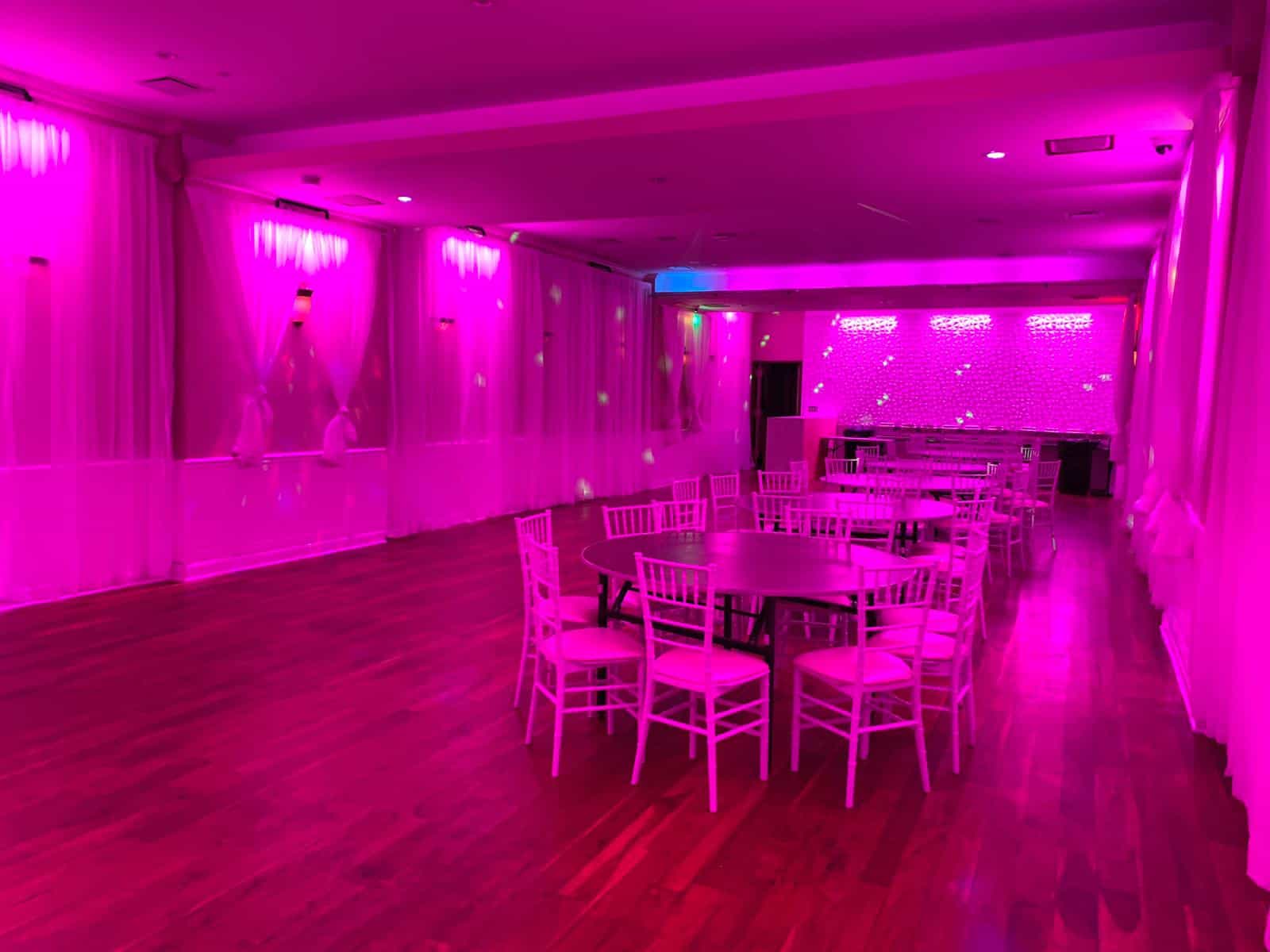
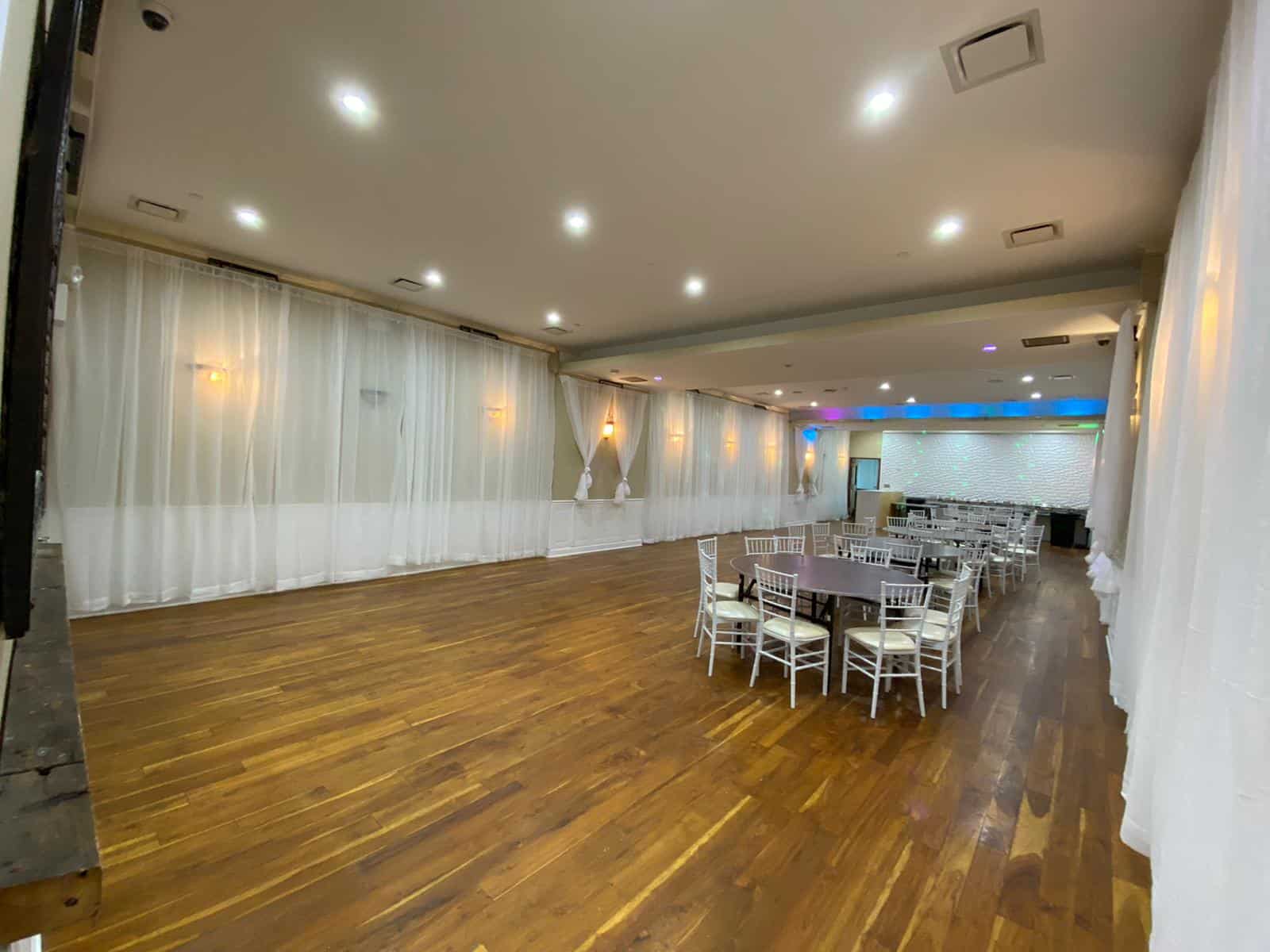
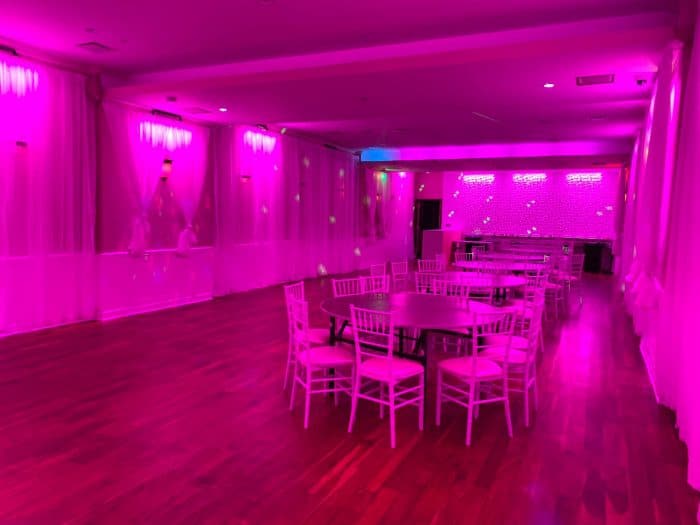
At minimum, a wedding venue rental should include tables and chairs for your guest count, a functional bar area, a dance floor, and some form of audio setup — at least a DJ booth or sound system. Beyond that, the standard varies considerably.
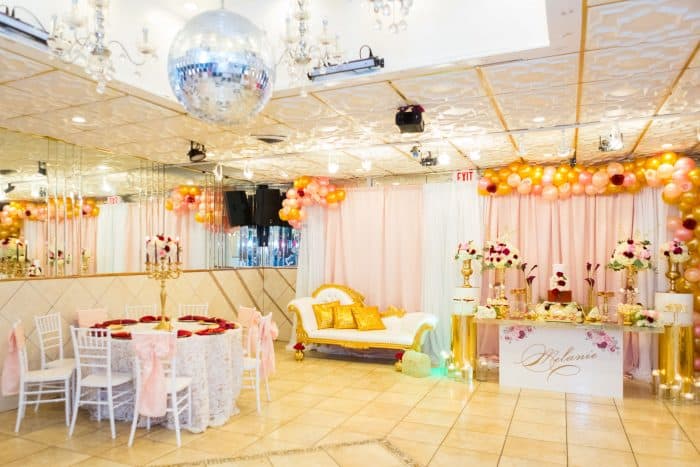
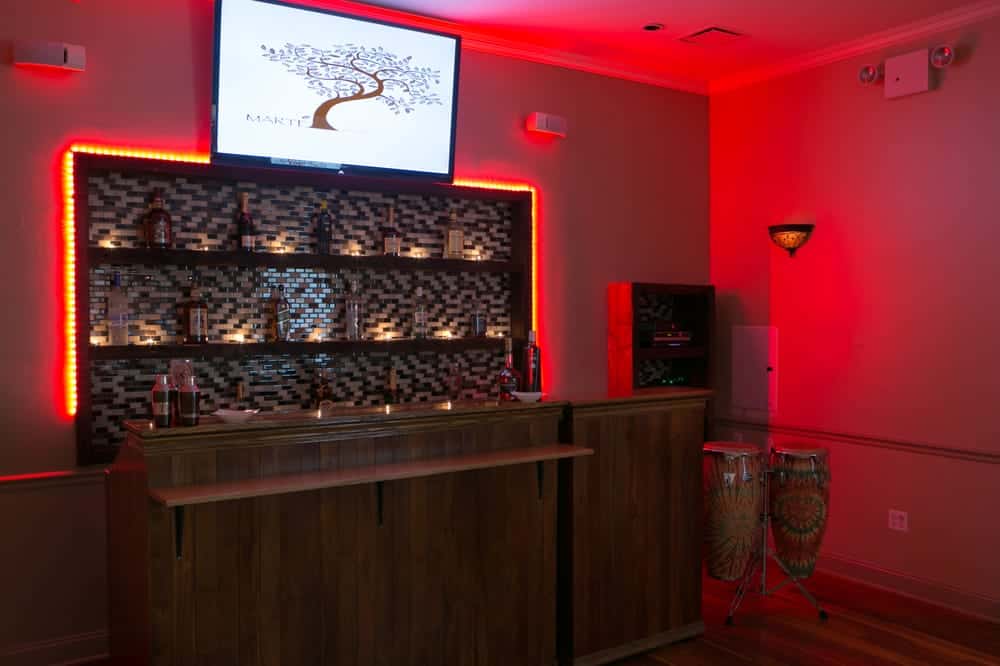
What separates a well-equipped rental venue from a bare-bones space is the difference between showing up to an event that’s ready to run and spending the morning before your wedding coordinating three separate delivery windows. Chrome chafing racks for your caterer, a bar with a refrigerator, dance lighting, a disco ball, a TV screen for slideshows or video — these are the details that either come with the space or become line items on a vendor invoice.
For couples planning receptions in Kings County, accessibility is another practical factor that often gets overlooked until it’s too late. Brooklyn venues range from basement lofts to upper-floor spaces with no elevator access. If your guest list includes elderly relatives, anyone with mobility limitations, or families with young children in strollers, a first-floor venue with handicap accessibility isn’t a nice-to-have — it’s a necessity. The same goes for parking. Not every guest is taking the subway, and a venue with no nearby parking puts the logistics burden back on you and your family.
Location within Kings County matters too. A venue in East Williamsburg or Bushwick sits near multiple subway lines and the BQE, which makes it reachable for guests coming from other boroughs, Long Island, or New Jersey. That kind of practical accessibility rarely shows up in venue marketing, but it affects the actual experience of your guests on the day.
How Far in Advance Should You Book a Wedding Reception Venue in Kings County?
The general guidance is 12 to 18 months out, and in Kings County, that advice holds. The borough is a dense, competitive market. Popular venues — especially those with Saturday availability during peak season from May through October — fill up quickly, and you won’t always get a second chance at a date that works for your family.
That said, not every couple is working on an 18-month timeline, and not every wedding has to happen on a Saturday in June. Off-peak dates — Fridays, Sundays, and winter months from January through March — typically come with better availability and can sometimes be negotiated at a lower rate. If your schedule is flexible, that flexibility has real value.
One thing worth knowing: availability in Kings County is genuinely year-round in a way it isn’t for outdoor or destination venues. The borough’s density and indoor event culture mean there’s no true dead season. A venue that’s open 365 days a year, seven days a week, gives you real options regardless of when you need to book — which matters if you’re planning on a shorter timeline or working around a family schedule that doesn’t fit the traditional peak-season window.
When you do reach out to a venue, the booking process typically starts with a site visit. Seeing the space in person — set up for an event, not just empty — is the most reliable way to evaluate whether it actually fits what you’re planning. Photos and listings only tell part of the story. The feel of the room, the size of the dance floor, whether your caterer can work with the kitchen setup — those things only become clear when you’re standing in the space.
Which Option Is Right for Your Wedding Reception in Kings County?
There’s no universal answer here — and anyone who tells you otherwise is oversimplifying. All-inclusive packages offer predictability and convenience, and for some couples, that’s worth a premium. Venue rentals offer flexibility and control, and for couples who want to bring their own caterer, their own traditions, and their own vendors, that freedom is the point.
What matters most is doing the honest math. Take the rental price, add the realistic cost of every vendor and piece of equipment you’d need to bring in, and compare that total to the all-inclusive quote. Do that comparison using real Kings County numbers — not national averages — and the right answer usually becomes clear.
If you’re still working through that comparison and want to see what a well-equipped wedding venue actually looks like in person, we’ve been helping families in Kings County plan their celebrations for over 50 years. Reach out, ask your questions, and come take a look. We’re here seven days a week.