Summary:
You’ve got a date, a guest list, and a vision for something special. Then you start calling venues in Brooklyn, and the quotes come back at $200 per person. Minimum.
That’s when the compromises start. Fewer guests. Cheaper menu. Less of everything you wanted.
But here’s what most people don’t realize: the biggest expense isn’t the event itself. It’s the markup. When you rent a space that requires you to use their catering, their bar, their everything, you’re paying someone else’s profit margin on top of actual costs. A hall-only rental flips that model. You pay for the space, then you decide where every other dollar goes.
What Makes Hall-Only Rentals Different from Traditional Venues
Traditional venues in Brooklyn—hotels, full-service banquet halls, country clubs—bundle everything together. Space, food, drinks, service, sometimes even decorations. It sounds convenient until you see the bill.
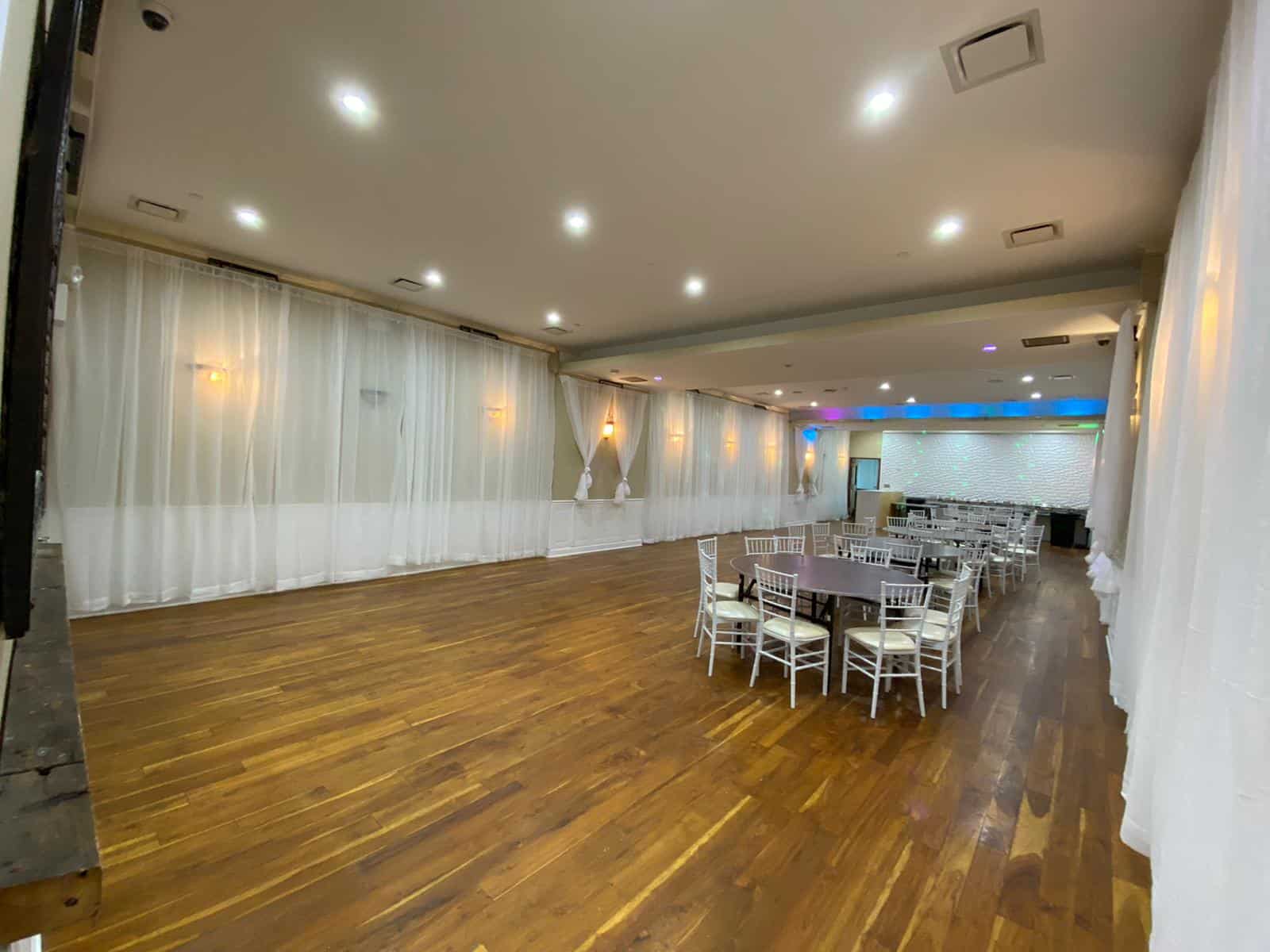
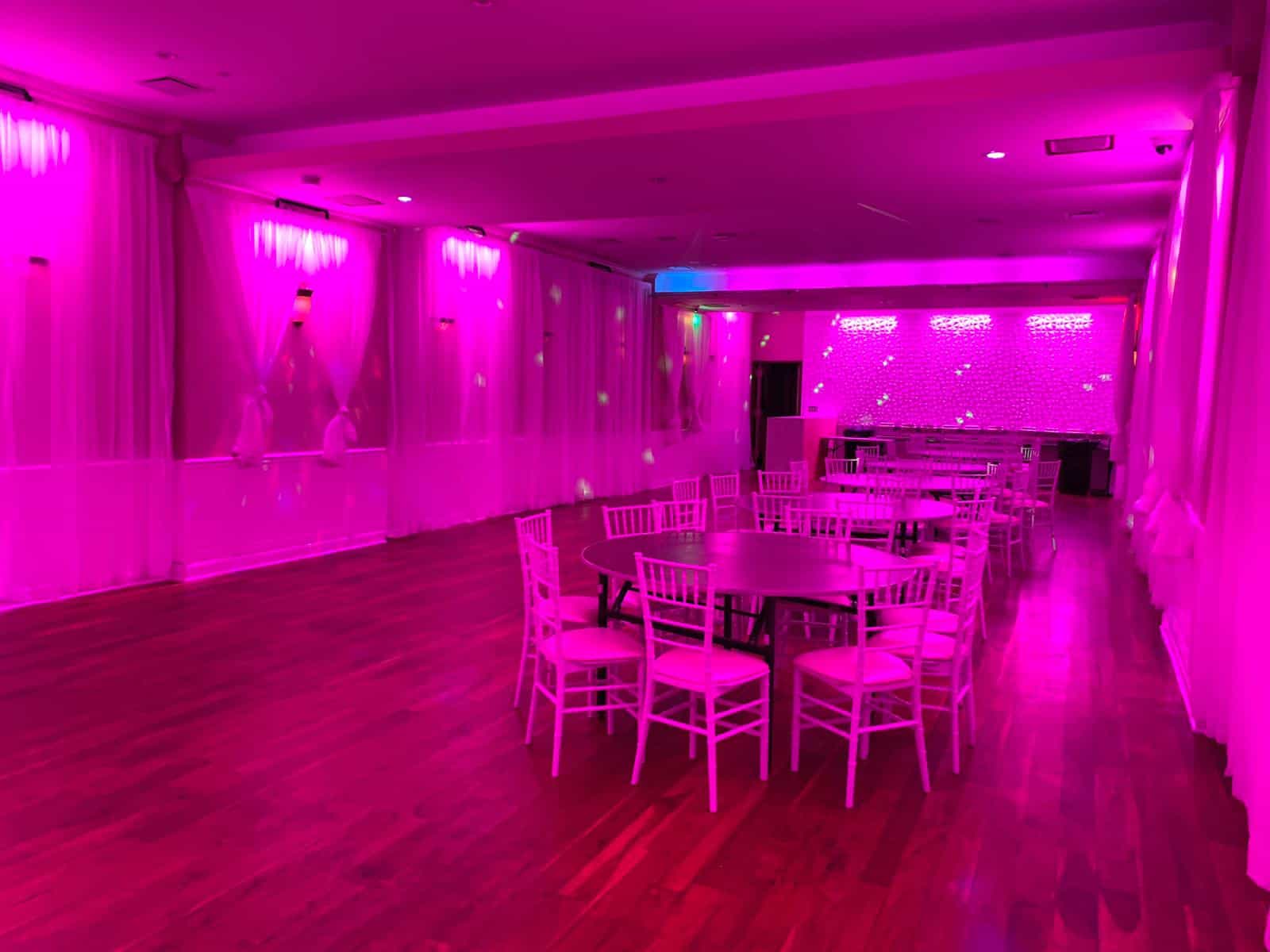
A hall-only rental gives you the room and the basics: tables, chairs, maybe some lighting and a sound system. Everything else? Your call. You can bring in your own caterer. Buy your own alcohol. Hire your own DJ. The venue doesn’t take a cut of any of it.
This model isn’t new, but it’s not always obvious when you’re searching online. Most listing sites prioritize venues that pay for advertising—and those are usually the all-inclusive places with higher margins. The affordable options that let you bring everything in don’t always show up first. You have to know they exist and specifically look for them.
The Real Cost Breakdown: Hall-Only vs. Hotel Packages
Let’s talk actual numbers. A mid-range hotel or banquet hall in Brooklyn typically charges $150 to $250 per person for a reception package. That includes the space, food, bar service, and standard setup. For 100 guests, you’re looking at $15,000 to $25,000 before you add anything custom.
A hall-only rental in the same area might cost $1,500 to $3,000 for the day. Add in your own catering at $40 to $60 per person, and you’re at $5,500 to $9,000 for food and space combined. That’s a $10,000 to $16,000 difference right there.
Where does that gap come from? Markup. When a venue provides catering in-house, they’re not just covering the cost of food. They’re covering their kitchen staff, liability insurance, profit margin, and overhead. When you hire an independent caterer, you’re paying for food and service—not all the infrastructure a venue needs to run a full food operation.
The same logic applies to alcohol. A hotel might charge $12 for a glass of wine that costs them $3. If you buy your own bottles and hire a licensed bartender, that same glass costs you $4, including service. Over the course of an event with 100 guests, the difference adds up fast.
You also get control over quality. Venue packages often lock you into a specific menu tier. If you want something better, you pay more. If you’re fine with something simpler, you still pay the package rate. With outside catering, you can allocate your budget based on what actually matters to you. Spend more on appetizers if that’s what your crowd cares about. Go simple on dessert if nobody’s going to eat it anyway.
The flexibility isn’t just financial. It’s creative. You’re not limited to the five menu options the venue offers. You can work with a caterer who specializes in the cuisine you want, accommodates dietary restrictions without upcharges, or sources ingredients locally. You can serve food that actually reflects the event you’re hosting, not the event the venue is set up to provide.
How to Find Venues in Brooklyn That Allow Outside Catering
Not every venue advertises that they allow outside vendors. Some do, but bury it in the FAQs. Others are open to it but don’t mention it unless you ask directly. That means you need to search differently than you would for a traditional venue.
Start with search terms like “hall rental Brooklyn,” “bring your own catering venue Brooklyn,” or “dry hire event space.” These phrases filter out the all-inclusive spots and surface the places built for flexibility. You can also search for community halls, cultural centers, and art spaces—many of these rent their rooms without requiring you to use specific vendors.
When you find a space that looks promising, ask specific questions before you book a tour. Can you bring in your own caterer, or do they have a preferred list? Can you bring your own alcohol, or do they require you to use their bar service? Are there fees for outside vendors, like a cake-cutting charge or a corkage fee? Some venues say they allow outside catering but then tack on fees that erase the savings.
Also ask what’s included in the rental. Do they provide tables and chairs, or do you need to rent those separately? Is there a sound system, or do you need to bring your own? How much setup time do you get, and is there an extra charge if you need more? The goal is to understand the true cost, not just the base rental fee.
Location matters more when you’re coordinating multiple vendors. If your caterer is based in Queens and your venue is in South Brooklyn, that’s extra travel time and potentially a delivery fee. Look for venues that are accessible for your vendors and your guests. Parking, public transit, and load-in access all affect how smoothly the day runs.
Some of the most budget-friendly options are neighborhood spots that don’t market themselves as event venues. VFW halls, church basements, union halls—they’re not glamorous, but they’re cheap, and if you’re planning to transform the space with your own decorations anyway, the starting point matters less than you’d think. A $500 rental that you dress up with your own style can look just as good as a $5,000 space that comes pre-decorated.
One more thing to watch for: insurance requirements. Some venues require your caterer and bartender to carry liability insurance, which is standard for licensed professionals. But if you’re planning to DIY more of the event—say, having friends help with setup or serve food—the venue’s insurance policy might not allow that. Clarify what’s permitted before you commit.
DIY Event Planning Strategies That Actually Save Money
Choosing a hall-only rental is step one. Making it work without blowing your budget on everything else is step two.
The key is knowing where to spend and where to save. Some costs are worth it because they directly affect your guests’ experience. Others are invisible, and nobody will notice if you go budget. Food and drinks? People remember. Chair covers? Not so much.
Start with a realistic breakdown of what you actually need. Most events require food, drinks, seating, music, and some level of decoration. Everything beyond that—photo booths, custom signage, elaborate centerpieces—is optional. That doesn’t mean you shouldn’t have those things if they matter to you. It just means you should decide intentionally, not because a venue package included them.
Where to Spend Your Budget for Maximum Impact
Food is the one thing you can’t cheap out on. Your guests will forget the decorations, but they’ll remember if they left hungry or if the food was bad. That doesn’t mean you need a five-course meal. It means you need enough food, and it needs to be good.
Hiring a professional caterer is worth it, even if you’re trying to save money. A good caterer handles food safety, timing, and presentation—all things that can go wrong if you’re trying to DIY with friends. You don’t need the most expensive caterer in Brooklyn, but you do need someone who’s done this before and knows how to feed a crowd.
If you’re working with a tight budget, talk to your caterer about ways to scale back without sacrificing quality. Buffet service costs less than plated meals. Appetizers and stations can feel more upscale than a sit-down dinner while costing less per person. Family-style service gives you the elegance of a plated meal with the flexibility of a buffet.
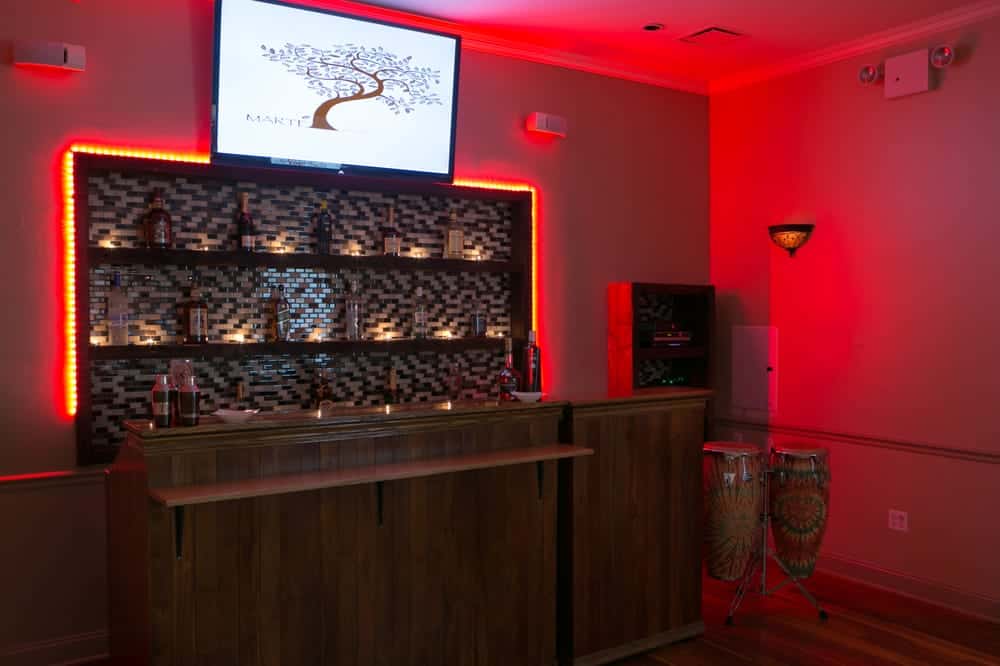
Alcohol is another area where you can save big without anyone noticing. Instead of a full open bar, offer beer, wine, and one signature cocktail. Most guests won’t miss the 12 liquor options, and you’ll cut your bar costs in half. Buy your own alcohol from a wholesaler instead of paying venue prices. In New York, you need a licensed bartender to serve, but you can hire one independently for a flat fee instead of paying the venue’s markup on every drink.
Music sets the tone for the whole event. A good DJ or live band is worth the investment because they control the energy in the room. A bad playlist on a speaker in the corner makes everything feel flat. You don’t need the most expensive entertainer, but you do need someone who reads the room and keeps people engaged.
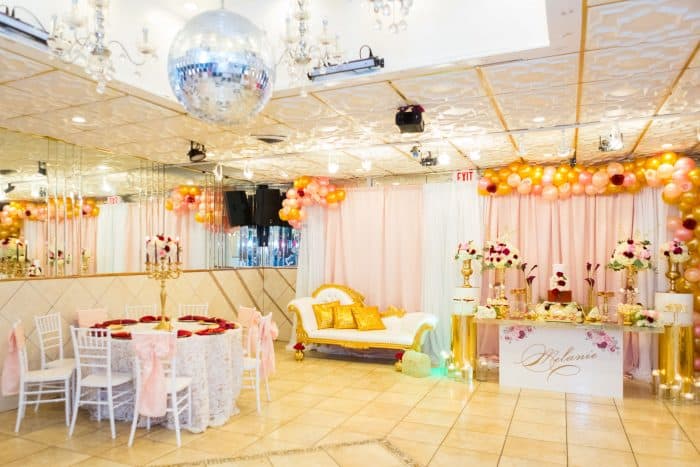
Decorations are where you can save the most. Flowers are beautiful, but they’re expensive and they die. If you love flowers, great—spend on them. But if you’re decorating because you think you’re supposed to, there are cheaper ways to make a space look good. Candles, string lights, and simple linens go a long way. If your venue has good bones—exposed brick, nice windows, interesting architecture—you don’t need much.
Invitations, favors, and signage are all areas where DIY makes sense. Print your own invitations or use a digital option. Skip the favors entirely, or go with something edible that doubles as dessert. Nobody’s judging you on whether you had custom calligraphy or a candy bar with your names on it.

Common Mistakes That Waste Money on DIY Events
The biggest mistake people make with DIY events is underestimating the time and labor involved. You save money by doing things yourself, but that only works if you actually have the time and help to pull it off. If you’re scrambling the day of the event to set up decorations, you’re not saving money—you’re just stressed.
Be realistic about what you can handle. If you’re working full-time and planning an event for 100 people, you probably don’t have time to hand-make centerpieces for every table. It’s okay to buy things instead of making them. It’s okay to hire help for setup and breakdown. The goal is to save money on the things that don’t matter so you can spend on the things that do—and “things that don’t matter” includes your own sanity.
Another common mistake is not getting quotes from enough vendors. The first caterer you call might seem reasonable, but if you don’t compare, you won’t know if you’re getting a good deal. Get at least three quotes for any major expense. Ask what’s included, what’s extra, and what happens if you need to make changes. Some vendors are flexible. Others charge for every little adjustment.
Timing also affects cost. If you’re booking a venue or vendors during peak season—May through October in New York—you’ll pay more. If you can be flexible with your date, consider a Friday or Sunday instead of Saturday. Weekday events are even cheaper, though obviously that doesn’t work for everyone.
Don’t forget the hidden costs that add up. Rentals for things like linens, glassware, and serving platters. Delivery fees for your caterer or your alcohol order. Gratuity for your bartender and servers. Sales tax on everything. A $5,000 budget can easily turn into $6,500 once you account for all the extras.
One more thing: don’t skip the contract. Even if you’re working with a friend or a small vendor, get everything in writing. What’s included, what’s the payment schedule, what happens if something goes wrong. It’s not about distrust—it’s about clarity. When everyone knows what to expect, there are fewer surprises.
The other mistake is overspending on things your guests won’t notice. Custom cocktail napkins. Elaborate escort card displays. Matching chair sashes. These things look nice in photos, but they don’t affect anyone’s experience of the event. If you have budget left over after covering the essentials, sure, add some flourishes. But if you’re choosing between better food and prettier napkins, choose the food.
Finally, don’t assume DIY is always cheaper. Sometimes it is. Sometimes it’s not. If you’re spending $200 on supplies to make something you could buy for $150, you’re not saving money. If you’re spending 10 hours on a project that a professional could do in two, your time has value too. DIY makes sense when it saves significant money or when you genuinely enjoy the process. It doesn’t make sense when it’s just more work for the same result.
Making Your Brooklyn Event Work on Your Terms
The best events aren’t the ones with the biggest budgets. They’re the ones where every dollar goes toward something that actually matters to the people hosting it. A hall-only rental gives you that control.
You’re not locked into someone else’s idea of what your event should look like. You’re not paying for things you don’t want. You’re building something that reflects what you care about, with vendors you choose, at a price that makes sense.
It takes more planning than booking an all-inclusive package. You have to coordinate vendors, manage timelines, and make more decisions. But the tradeoff is worth it when you’re creating something that feels like yours, not something that feels like every other event in that same ballroom.
If you’re looking for a venue in Brooklyn that gives you that flexibility, we offer exactly that. No required caterers. No inflated bar prices. Just a space that works for your event, on your terms.