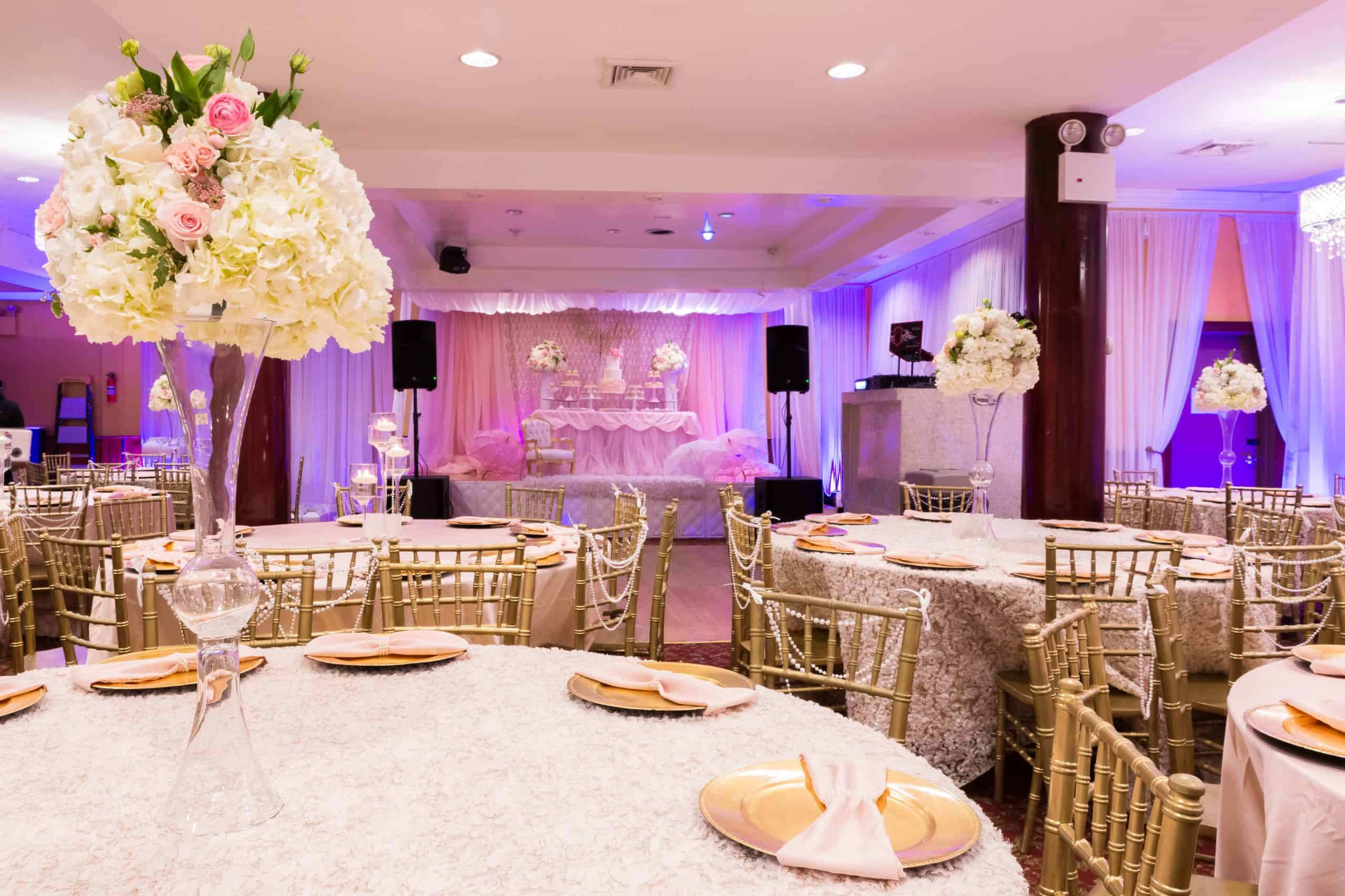
Summary:
You get a quote for a venue. It sounds reasonable. Then you start reading the contract — and suddenly there’s a 22% service charge, a separate fee for tables and chairs, a corkage fee if you bring your own wine, and an overtime rate that kicks in if the night runs long. What started as a $3,000 venue is now $5,500. Sound familiar? You’re not alone. About 74% of couples overshoot their wedding budget, and hidden venue fees are one of the biggest reasons why. This post walks through how all-inclusive, à la carte, and flat-fee venue pricing actually work — so you can compare them honestly before you commit.
What "All-Inclusive Wedding Venues" Actually Means
The term “all-inclusive” sounds straightforward, but it isn’t standardized. One venue uses it to mean catering, décor, and a coordinator are bundled into one price. Another uses it to mean the rental fee includes tables and chairs — and that’s about it. Before you compare venues on price, you need to know exactly what each one is actually including.
Nationally, all-inclusive wedding packages range from $10,000 to $60,000 depending on the venue, location, and guest count. In New York City, where the average wedding runs anywhere from $47,800 to well over $65,000, that range shifts significantly upward. A true all-inclusive package in Brooklyn — one that covers the space, catering, open bar, décor, and coordination — is rarely cheap. And even then, most still carry mandatory service charges of 18–25% on top of the food and beverage total.
What's Usually Included — and What Gets Added On
A genuinely all-inclusive venue typically bundles the event space, tables and chairs, in-house catering, a bar package, basic décor or furniture, and sometimes a day-of coordinator. The appeal is real: one contract, one point of contact, and no need to source and manage a dozen separate vendors. For couples who want to hand things off and show up, that convenience has value.
But the word “included” does a lot of heavy lifting in this industry. Service charges of 18–25% on food and beverage totals are standard practice — and they’re often buried in the contract rather than mentioned upfront. Mandatory gratuities, cake-cutting fees, corkage fees if you bring outside wine or spirits, valet requirements, and A/V or lighting “enhancements” that cost $800–$1,500 extra are all common. Industry data suggests hidden add-ons can increase your original venue quote by 40–60% by the time the final invoice arrives.
The other limitation that rarely comes up in all-inclusive marketing: you’re locked into their caterer and their menu. Kings County is one of the most culturally diverse counties in the country, and for many Brooklyn families, that’s a genuine problem. If your family has food traditions that matter, or you want your grandmother’s cooking at your reception, a mandatory in-house catering requirement isn’t a feature. It’s a restriction.
So when you’re evaluating an all-inclusive venue, the question isn’t just “what’s included?” It’s “what am I giving up?” And separately: “What does this actually cost once everything is added in?”

How À La Carte Venue Pricing Works — and Where It Gets Expensive
À la carte pricing means you’re renting the space and sourcing everything else independently. The base rental fee might look lower on paper, but you’re then responsible for finding and paying a caterer, a DJ, a florist, a lighting company, a rental company for chairs and linens, and potentially a coordinator to hold it all together. Each of those vendors has their own contract, their own deposit, and their own cancellation policy.
The upside is flexibility — you can choose exactly who you work with and build the event around your preferences and budget. The downside is that it takes real time and organizational effort, and the costs add up faster than most couples expect. When you start pricing out each piece separately, the “cheaper” à la carte route often lands in the same range as a bundled package — sometimes higher, because you lose the negotiating leverage that a venue with established vendor relationships has.
There’s also the coordination burden. Managing multiple vendors means more emails, more logistics, and more things that can go sideways independently. For couples who have full-time jobs and limited planning bandwidth, that’s not a small consideration.
Here’s what neither the all-inclusive comparison guides nor the à la carte advocates tend to mention: there’s a third model. It’s not all-inclusive, and it’s not raw-space DIY. It’s a fully equipped flat-fee hall rental where the infrastructure is already there — tables, chairs, bar, DJ booth, lighting — and you bring your own food and drinks, or hire whatever caterer you want. No per-person charge. No mandatory catering minimum. No service charge on food and beverage. Just a flat fee for the space and everything in it. That model is what we offer at Brooklyn Party Hall, and for a lot of couples planning weddings in Kings County, it changes the math entirely.
Small Wedding Venues in Brooklyn: Why "Small" Doesn't Always Mean Cheaper
More couples are choosing smaller celebrations — 40, 60, 80 guests instead of 150 — and the reasons are pretty intuitive. Smaller weddings feel more intimate, they’re easier to plan, and they should cost less. Except they often don’t, because most venue pricing in Kings County isn’t built around small guest counts.
Per-person pricing is the main culprit. If a venue charges $150 per person, a 40-person wedding costs $6,000 in venue fees alone — the same as a much larger event, just with fewer people. The economies of scale don’t work in your favor when you’re paying by the head.
Micro weddings — typically defined as 10 to 50 guests — have held steady as a genuine trend, not just a pandemic-era workaround. Couples choosing micro weddings in Kings County are usually looking for a private space that feels right-sized for their guest count, not an oversized ballroom that seats 300 and makes 35 people feel like they’re rattling around inside it.
The problem is that most venue pricing doesn’t account for this. A venue with a 200-person capacity and a $200-per-person minimum spend isn’t going to work for a 30-person celebration — and a lot of Brooklyn’s well-known event spaces fall into that category. The spaces that do work for micro weddings often charge hourly rates that add up quickly, especially once you factor in setup time and breakdown.
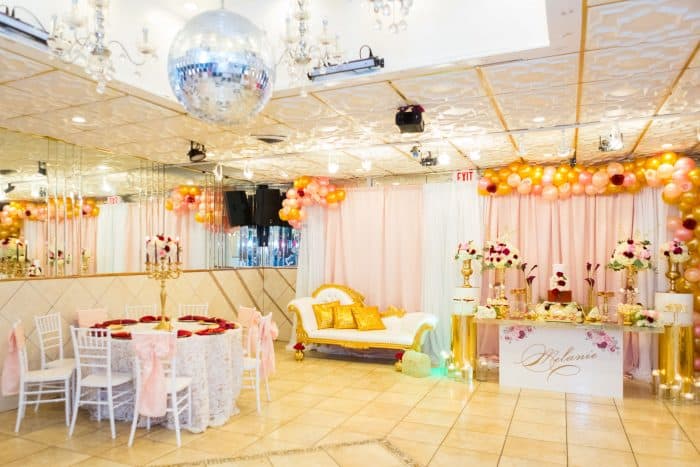
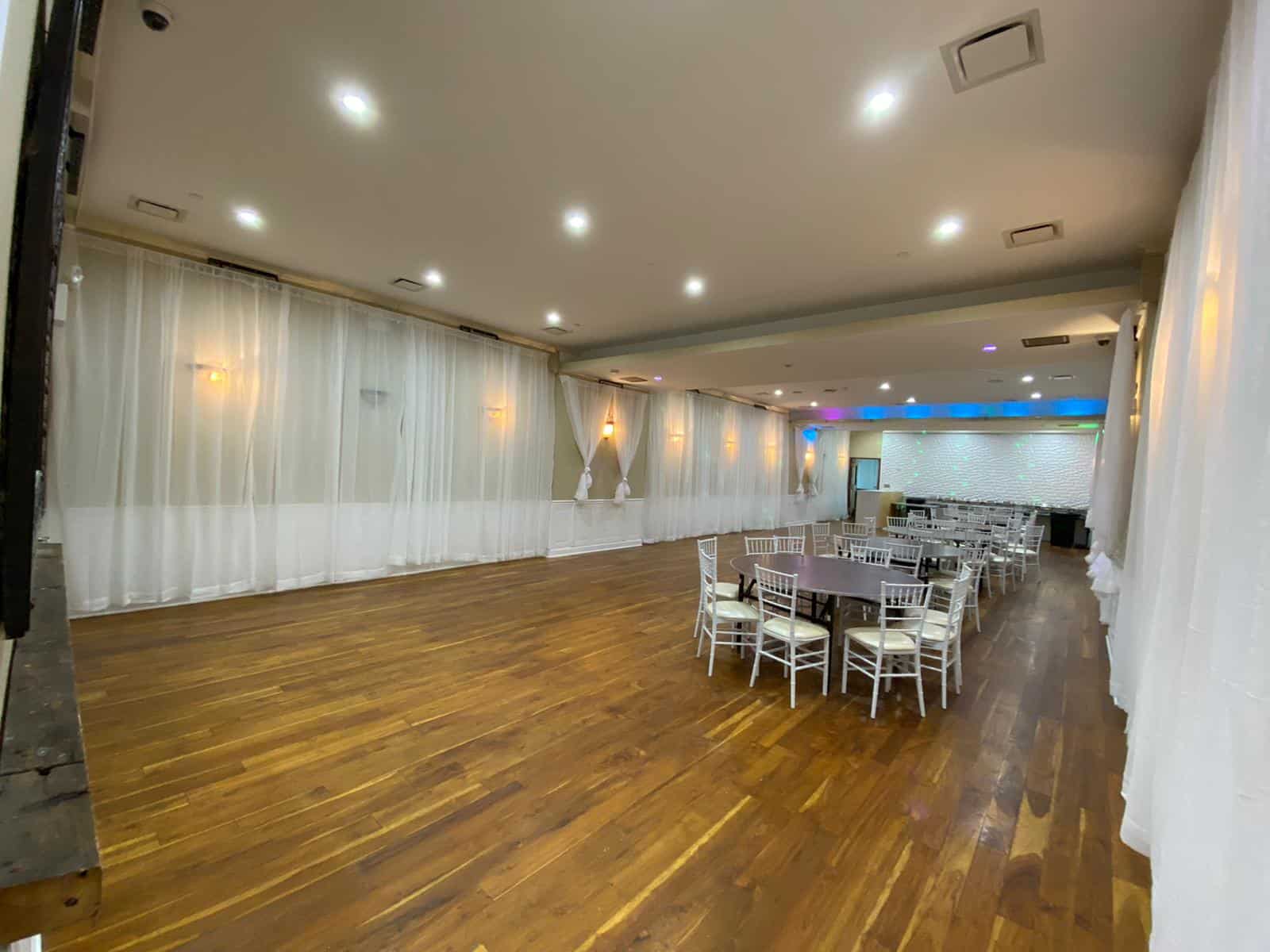
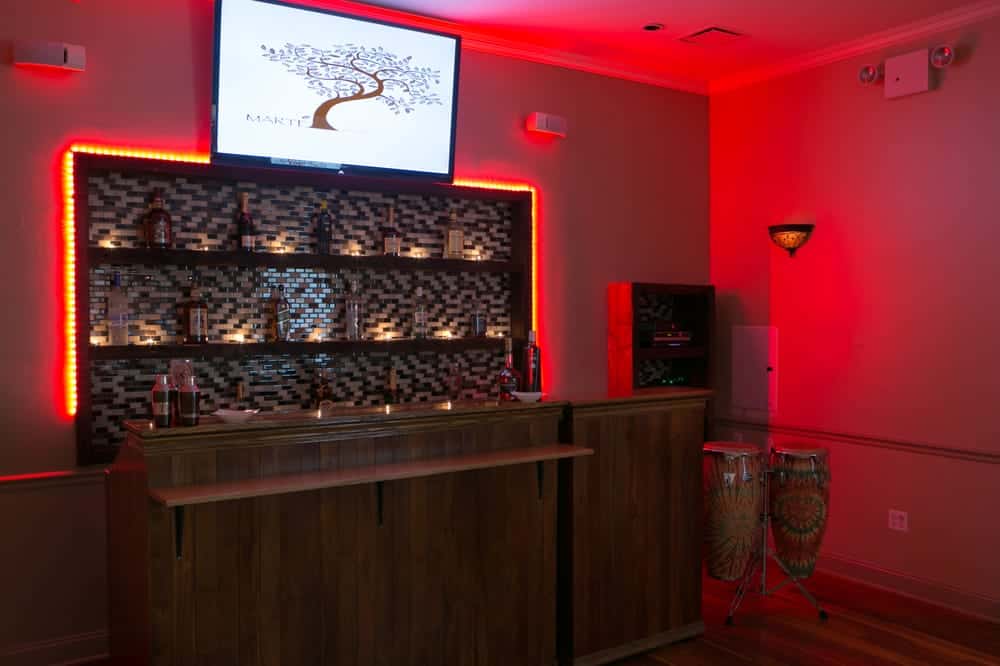
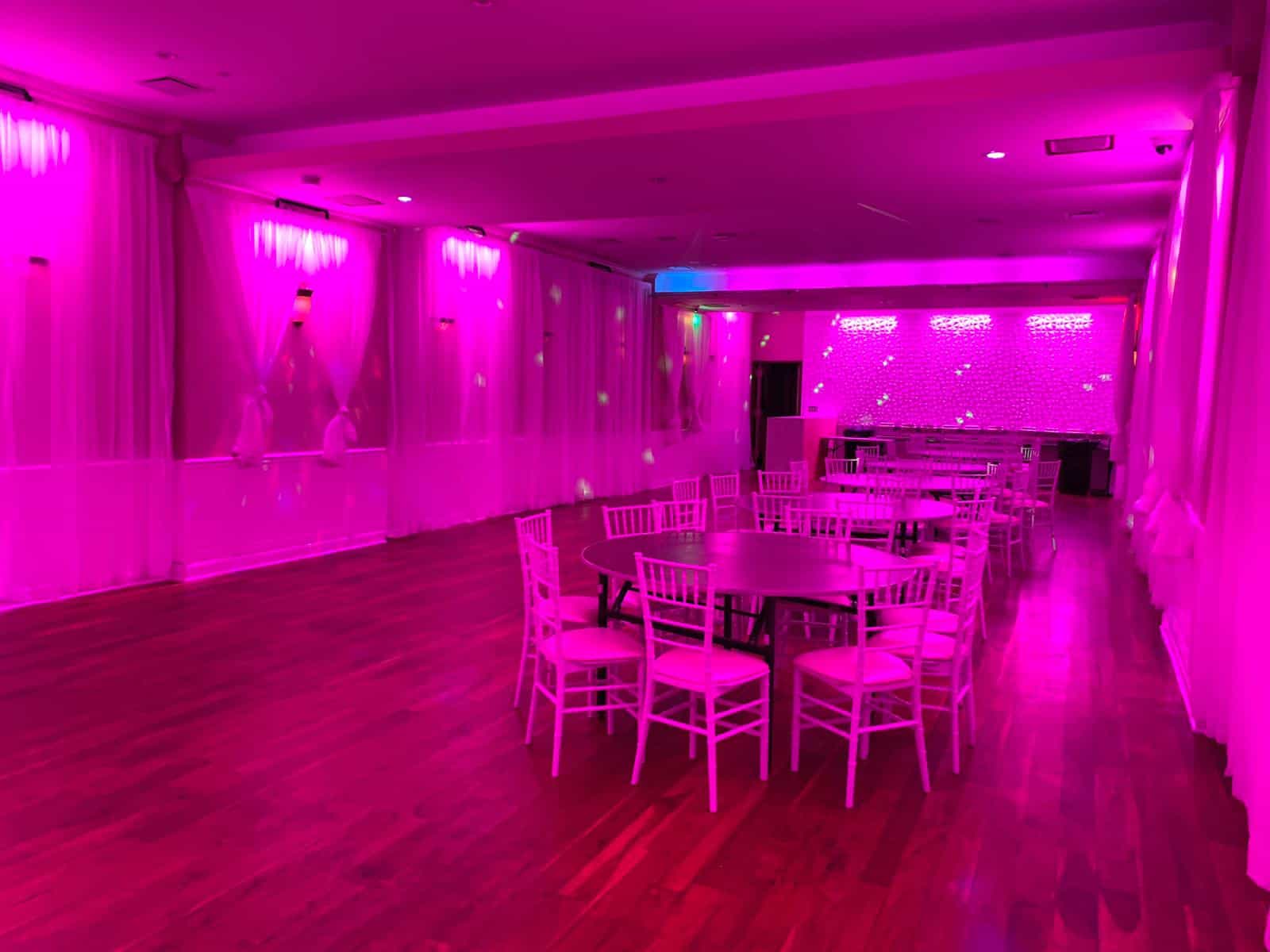
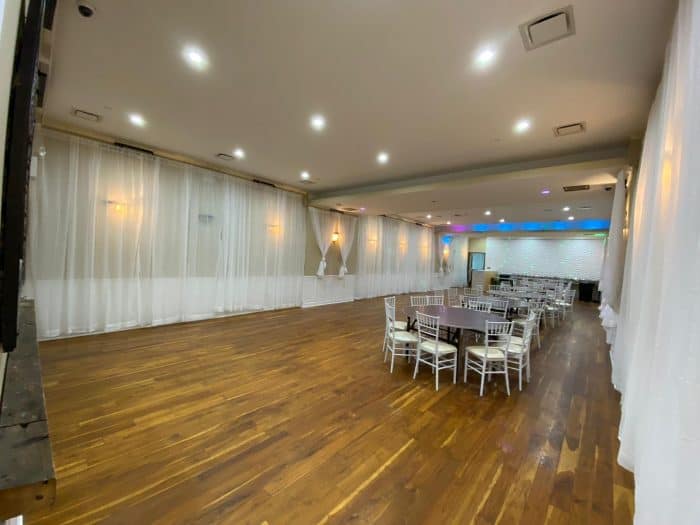
What actually works for a micro wedding in Kings County is a private, self-contained space with a reasonable flat fee, enough room to feel comfortable without feeling cavernous, and the freedom to bring in your own food or caterer. Marte Hall at 81 Seigel St in East Williamsburg seats up to 120 guests but works equally well for 30 — because the rental fee is the same regardless of how many people show up. You’re not penalized for having a smaller guest list. The 2,500-square-foot space has teak hardwood floors, dimmable dynamic lighting, an illuminated wet bar, and a fully equipped kitchen. It was completely renovated in 2020, and we put money back into it every year.
For couples who want a Brooklyn neighborhood venue that doesn’t feel like a hotel conference room or a raw industrial space that needs $5,000 in rentals to look like anything, it’s a practical option that doesn’t require a six-figure budget.
“Affordable” means different things depending on how a venue structures its pricing. A venue with a $2,000 base rental fee that charges $150 per person, adds a 22% service charge on food and beverage, and bills separately for tables, chairs, and cleanup isn’t actually affordable for most couples. The number that matters is the full itemized total for your specific date and guest count — not the headline rental rate.
Before you book any venue in Kings County, it’s worth asking a few direct questions. Does the rental fee include tables and chairs, or are those extra? Is there a mandatory catering minimum or a required in-house caterer? What’s the service charge percentage, and does it apply to everything or just food and beverage? How many hours of access do you get — and does that include setup and breakdown time, or does the clock start when guests arrive? Is there an overtime rate, and what triggers it?
These aren’t trick questions. Any reputable venue should be able to answer them clearly and in writing. If the answers are vague or the contract is hard to read, that’s useful information.
We’ve been in the party hall business for over 50 years, and the thing we hear most from couples who’ve already toured other venues is that they couldn’t get a straight answer on what they’d actually pay. Our pricing is flat. We don’t charge per person. You can bring your own food and drinks, or add buffet catering starting at $15.95 per person through our affiliated caterer — your call. The Marte Hall package includes 6 hours of event time plus 2 additional hours for setup, tables, chairs, a DJ booth, a bar with refrigerator, central heating and cooling, and handicap-accessible, first-floor access with no steps or stairs.
Kings County has some of the highest wedding costs in the country, and a lot of that is driven by venues that charge premium rates for things that should just be included. We’re on the Brooklyn-Queens border in East Williamsburg, accessible from multiple boroughs, near public transportation, and have ample parking — because we know your guests are coming from all over. We also offer a discount for last-minute bookings made three weeks or less in advance, which is worth knowing if your timeline is compressed.
For nonprofit organizations, educational institutions, and religious groups, we offer free or reduced-rate access. That’s been part of how we operate since the beginning, and it reflects what we actually care about as a family-owned business that’s been part of this community for decades.
How to Choose the Right Wedding Venue Pricing Model for Your Budget
All-inclusive venues offer real convenience, but that convenience comes with a price — and often with restrictions on food, vendors, and flexibility that don’t work for every couple. À la carte venues give you control, but the coordination burden and cumulative vendor costs are real. The flat-fee model sits between those two extremes: infrastructure included, food and vendor choices left entirely up to you, no per-person charge, no mandatory catering minimum.
Which model makes sense depends on your guest count, your priorities, and how much flexibility matters to you. But whatever you decide, get the full itemized number before you sign anything — not just the base rate.
If you’re planning a wedding in Kings County and want to see what flat-fee hall rental actually looks like in practice, Brooklyn Party Hall is worth a conversation. We’re straightforward about pricing, our contracts are clear, and we’ve been doing this long enough to know what couples actually need.